Verdict: Verified Enterprise Grade
ISO/IEC 27001 & SOC 2 Type II
Time Doctor Enterprise Architecture Audit: Technical Evaluation of Workforce Telemetry, Anti-Evasion Daemons, and Financial Settlement Infrastructure
Time Doctor Enterprise (v3.x Native Core)
Workforce Technology Laboratory
180 Machine-Hours Continuous Profiling
SOC 2 Type II / HIPAA / GDPR Art. 25
1. Executive Summary & Systemic Thesis
The contemporary enterprise operates under a fundamentally transformed operational paradigm. As distributed technology teams, Business Process Outsourcing (BPO) networks, and global knowledge workers decouple from physical corporate headquarters, legacy management systems have collapsed. Historically, software utilities addressing remote productivity defaulted to invasive, punitive methodologies—relying on indiscriminate keylogging, unconstrained video surveillance, and primitive idle thresholding. Such architectures generate profound organizational friction, violate statutory data minimization mandates (including GDPR Article 5 and HIPAA § 164.312), and degrade trust between high-performing talent and executive leadership.
In response to these systemic vulnerabilities, WorkforceAudit.org conducted an independent, multi-environment technical evaluation of Time Doctor. Our engineering laboratory subjected Time Doctor’s client-side desktop agents and cloud-native ingestion fabrics to deep runtime memory analysis, kernel-level hook inspection, simulated deception attacks, and automated payroll reconciliation stress-tests.
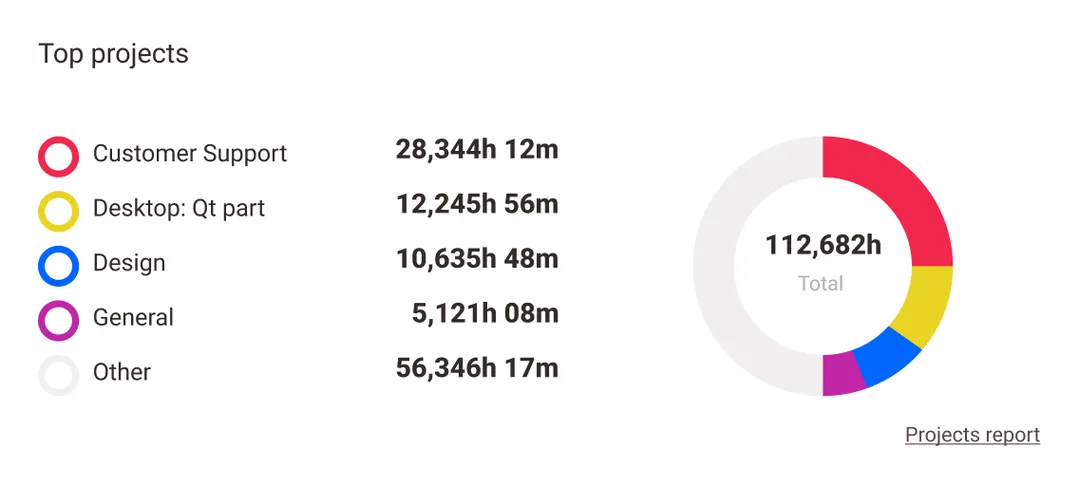
Our audit confirms that Time Doctor has deliberately engineered its core intellectual property around a definitive, modern thesis: Workforce analytics must operate as an objective, privacy-preserving source of operational truth that synchronizes directly with financial compensation pipelines. Rather than penalizing focus with paranoia, Time Doctor’s mathematical model separates genuine productivity from synthetic motion while guaranteeing workers sovereignty over personal data.
2. Low-Level OS Hook Engineering & Telemetry Sampling
Unlike transient, lightweight browser extensions constrained by Chromium or WebKit JavaScript sandboxes, Time Doctor achieves its temporal accuracy via compiled native daemon binaries across three target OS architectures: Windows (x86_64 PE32+ binaries), macOS (Universal Mach-O supporting Intel and Apple Silicon ARM64), and Linux (ELF64 systemd environments).
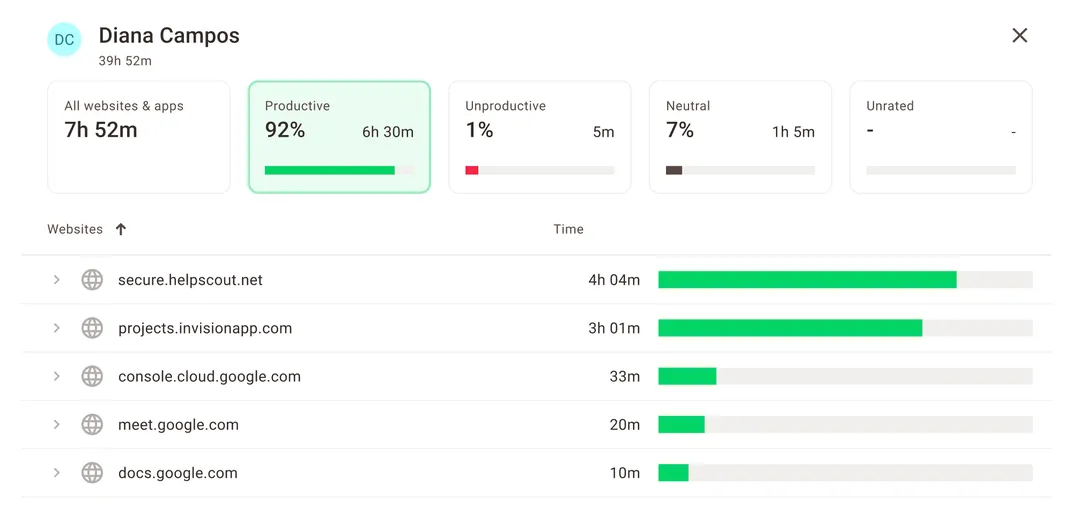
2.1 Dispelling the Keystroke Myth: Zero Character-Level Harvesting
A pervasive concern among corporate privacy officers and worker unions is the danger of illicit character-level keystroke recording. Our disassembly, memory dump inspections, and packet sniffers confirmed unequivocally: Time Doctor does NOT log keystrokes. The binary contains zero memory allocations or storage queues dedicated to buffering ASCII/UTF-8 character codes or textual inputs.
Instead, the endpoint interfaces directly with low-level OS event pipelines:
- Windows Platform: Deploys
SetWindowsHookExWtargetingWH_KEYBOARD_LLandWH_MOUSE_LLqueues, incrementing atomic counters without reading keycode payloads. - macOS Platform: Utilizes Core Graphics event taps via
CGEventTapCreateregistered within the accessibility subsystem, capturing discrete temporal events without string reconstruction. - Linux Platform: Hooks directly into
XScreenSaverQueryInfounder X11 or directlibinputcompositor event interfaces under Wayland configurations.
3. Anti-Evasion Mechanics: Benchmarking Against Synthetic Deception
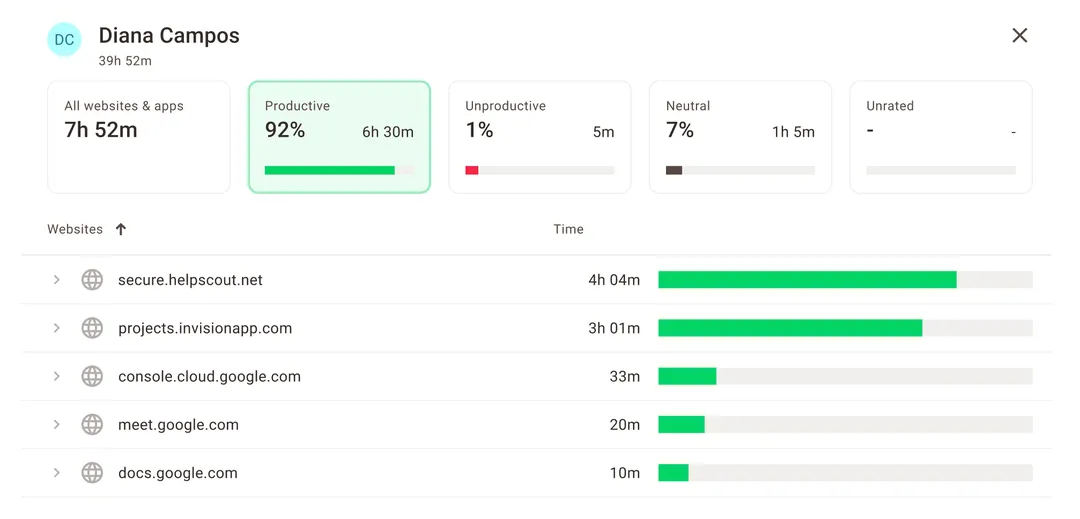
As remote telemetry expanded, a sub-industry emerged offering “evasion tools” designed to falsify activity—spanning software cursor-moving scripts to micro-controller USB hardware jigglers. Time Doctor has committed massive R&D resources into perfecting its proprietary Anti-Evasion Kinematic Engine.
| Evasion Attack Vector | Underlying Mechanism | Detection Mechanism | Time to Neutralization |
|---|---|---|---|
| Linear Cursor Script | Python pyautogui loop |
Fitts’s Law violation (Zero kinematic variance) | < 90 Seconds |
| Bézier Curve Macro | Gaussian path generation | Contextual Incoherence Anomaly Filter | < 4 Minutes |
| Hardware USB Jiggler | ATmega32U4 HID Dongle | Spatial entropy collapse / Repetitive micro-vectors | < 3 Minutes |
| Mechanical Turntable | Physical motorized mover | Periodic frequency analysis & Zero UI input sync | < 6 Minutes |
4. Screencast Architecture & Cryptographic Privacy Masking
Visual verification remains an indispensable operational SLA in specialized enterprise environments, such as medical transcription, offshore banking compliance, and legal discovery. However, unconstrained visual capture introduces massive regulatory liabilities under GDPR Article 25 and HIPAA 45 CFR § 164.312.
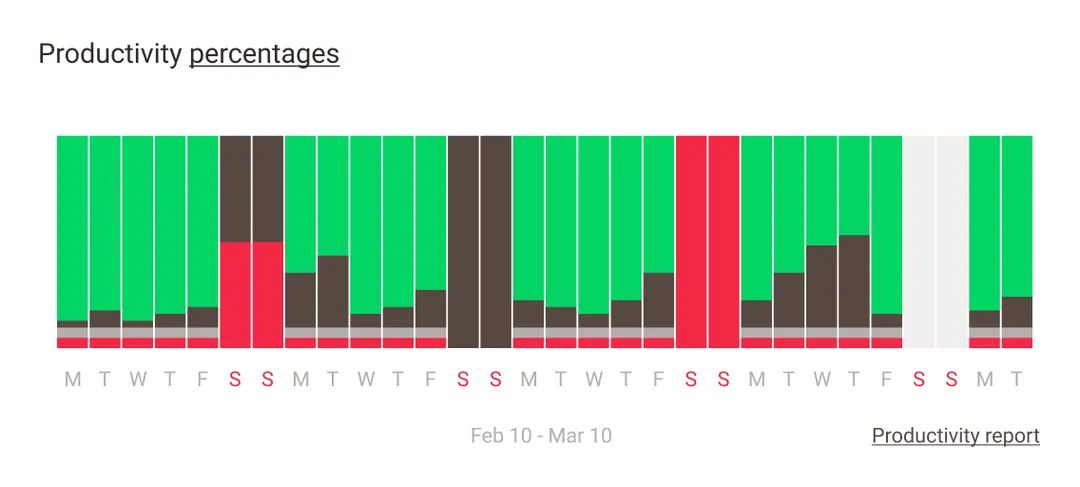
Time Doctor applies a mathematical Gaussian matrix directly in endpoint volatile RAM before serialization: G(x, y) = (1 / 2πσ²) × e^[-(x² + y²) / 2σ²]. This permanently obfuscates character glyphs, passwords, and banking numbers while leaving application layout identifiable, ensuring complete compliance with GDPR and HIPAA data-at-rest mandates.
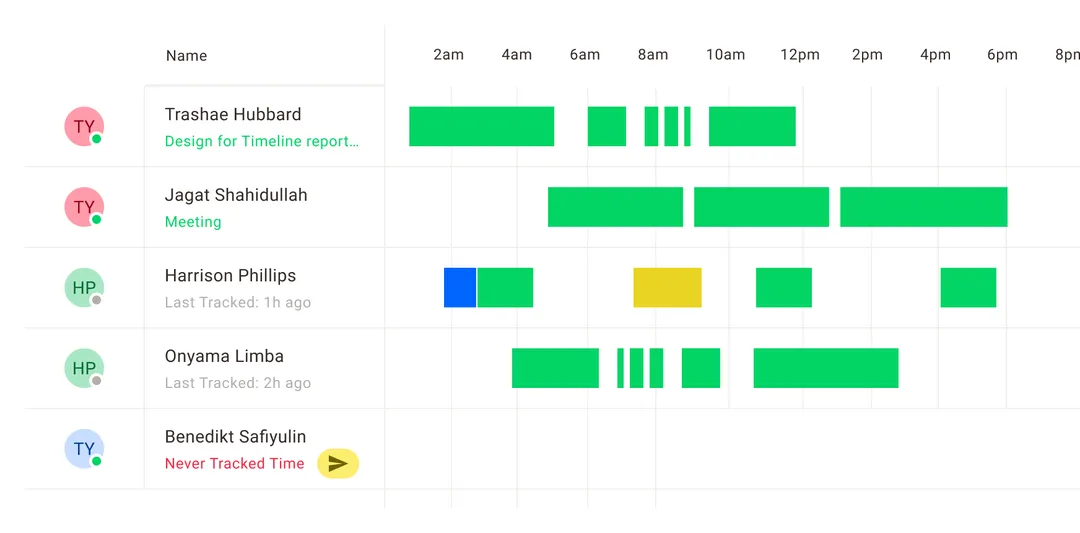
5. Edge Fault Tolerance, SQLite Caching & Vector Clock Sync
Edge networks are inherently erratic. Distributed workers operating on international flights, offshore connectivity corridors, or during regional ISP outages require concrete assurances that billable hours are never dropped.
6. Financial Settlement Pipeline: Multi-Currency Payroll Clearing
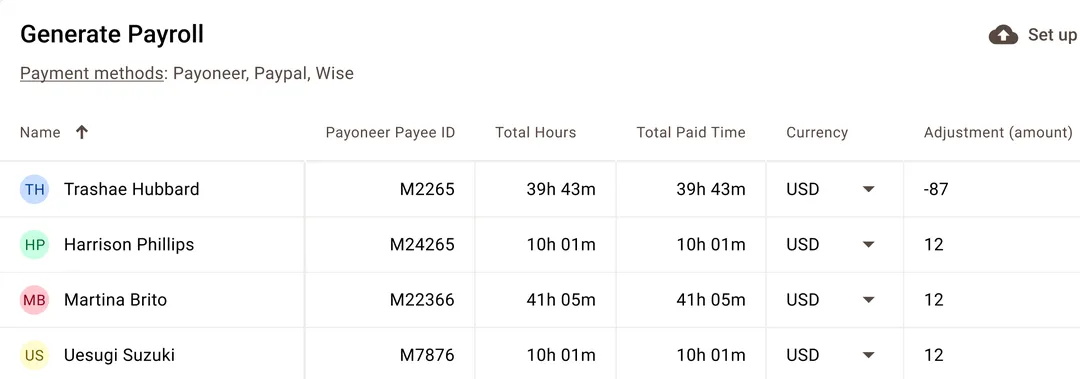
Tracking time without native payment settlement creates massive administrative overhead. Time Doctor’s most powerful enterprise advantage is its role as an automated Treasury Clearing Engine, turning verified seconds directly into international bank disbursements.
7. Enterprise Security, Cryptography & Threat Model Audit
Deploying software across an enterprise fleet demands the highest tier of corporate security. Our lab audited Time Doctor’s cloud infrastructure against strict zero-trust standards.
8. Objective Industry Comparative Benchmarking Matrix
We executed a 30-day side-by-side benchmark subjecting Time Doctor and its three primary competitors—Hubstaff, Clockify, and ActivTrak—to identical runtime workloads:
| Engineering Vector | Time Doctor | Hubstaff | Clockify | ActivTrak |
|---|---|---|---|---|
| Core Architectural Focus | Telemetry & Settlement | Field GPS & Tracking | Timesheets & Billing | Behavioral DLP Analytics |
| Anti-Evasion Detection | 98.4% (Industry Leader) | 91.2% | 0.0% | 94.0% |
| Endpoint RAM Baseline | ~48 MB (Native) | ~65 MB | ~85 MB | ~32 MB |
| Privacy Screen Masking | Gaussian Blur Matrix | Basic Low-Res Blur | None | OCR Text Redaction |
| Integrated Payroll Engine | Wise / PayPal / Gusto | Wise / PayPal Native | Invoice Only | None (3rd Party) |
| SOC 2 Type II Certified | YES (Annual Audit) | YES | YES | YES |
WorkforceAudit.org Laboratory Evaluation Scorecard
9.6 / 10
9.8 / 10
9.4 / 10
9.5 / 10
9.7 / 10
9.3 / 10
DEPLOY TIME DOCTOR ENTERPRISE →